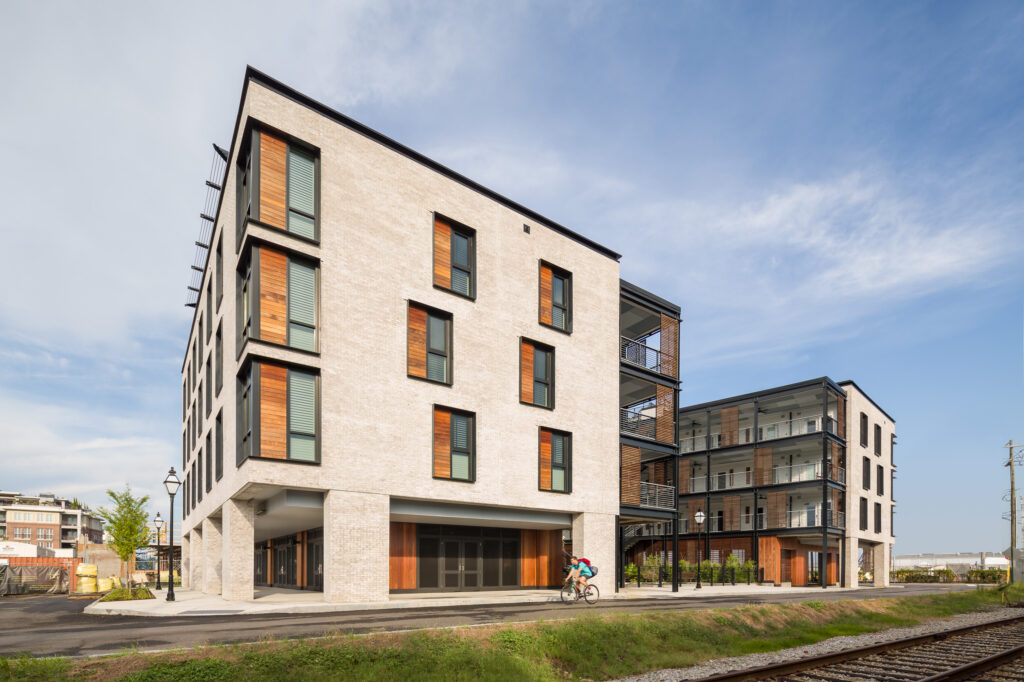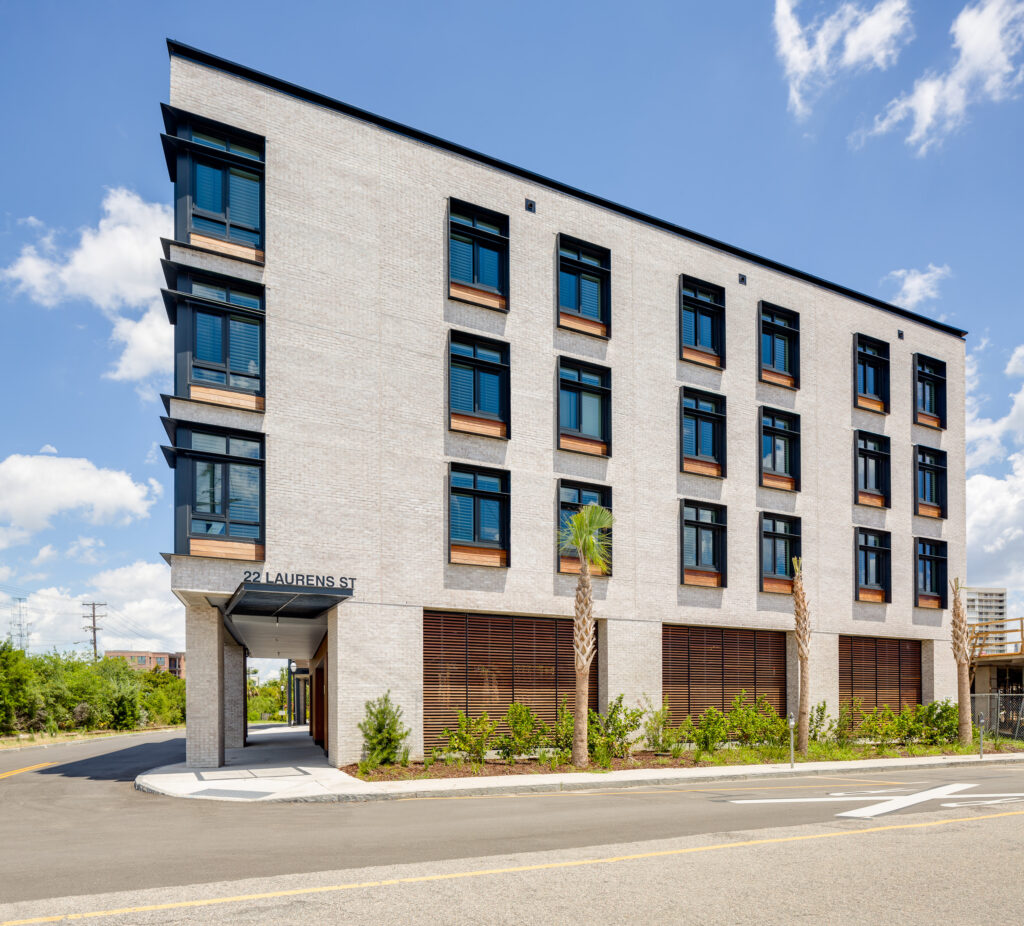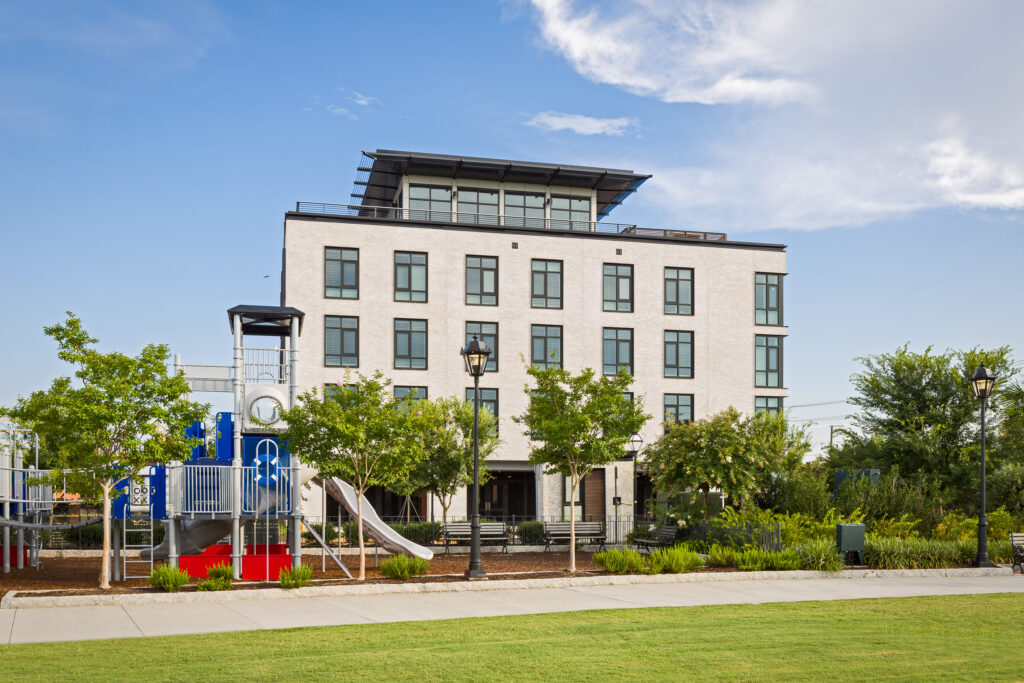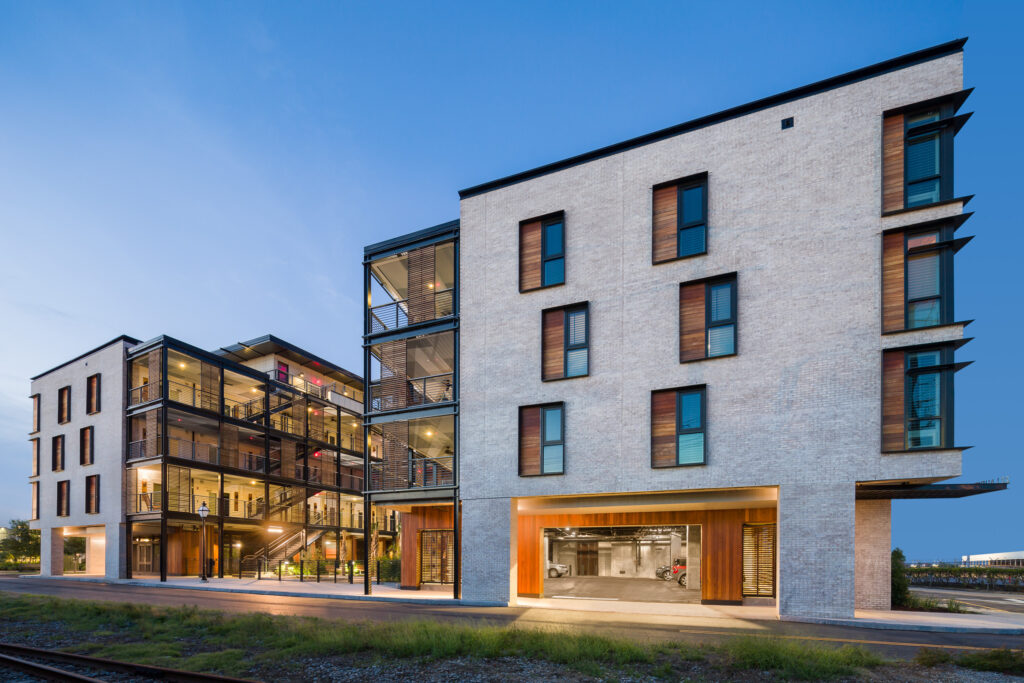

In the heart of historic Charleston, South Carolina, stands a remarkable testament to thoughtful design, community collaboration, and the power of resilient materials: the Williams Terrace Senior Housing. This isn’t just an apartment complex; it’s a vibrant community, a beacon of modern architectural ingenuity, and a living example of how to build for the future while honoring the past. Central to its success is the strategic use of Keim mineral paints, contributing to both its enduring aesthetic and its long-term durability.
Building for Community and Resilience in Historic Charleston
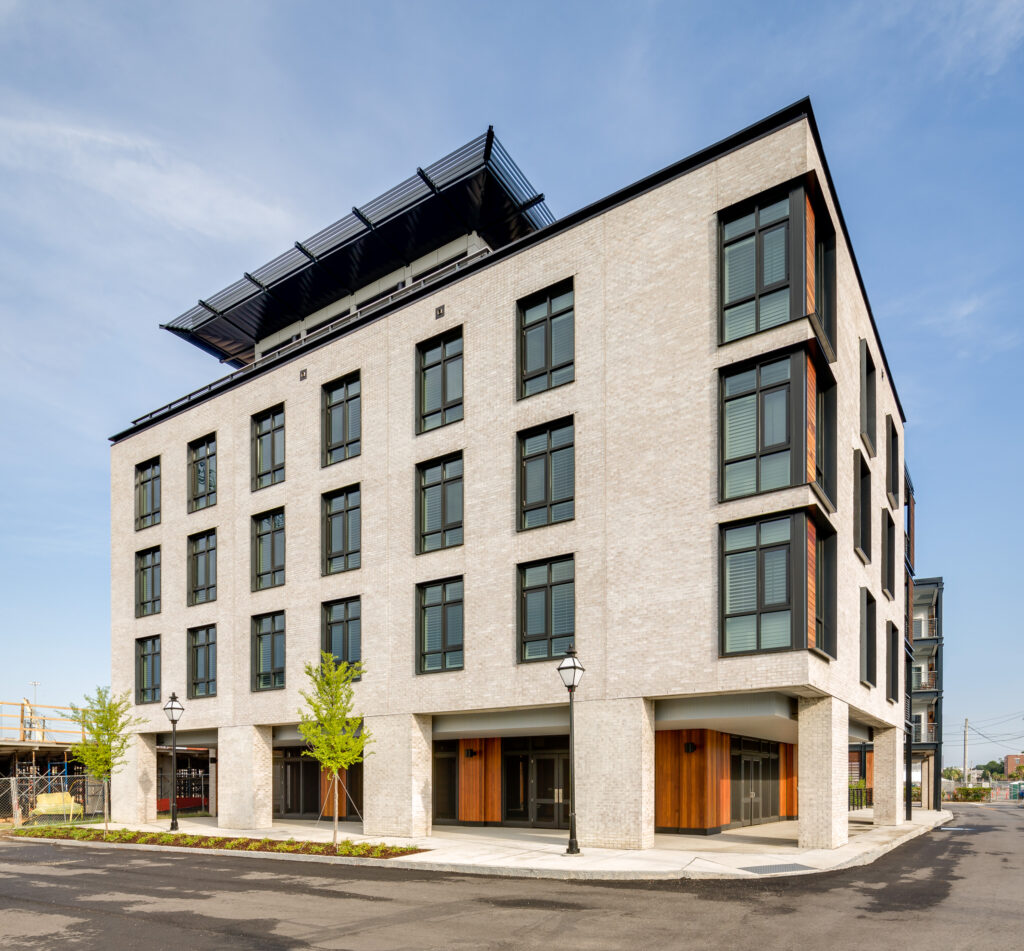
The Williams Terrace project provides 41 ADA-accessible, affordable housing units specifically for seniors in downtown Charleston. Its location is particularly poignant – a site previously devastated by Hurricane Hugo in 1989. This history underscored the critical need for a design that prioritizes flood resilience, a paramount concern in Charleston’s high-velocity flood zone. The architects faced the complex challenge of creating a safe, comfortable, and community-oriented living space that could withstand the forces of nature, all while seamlessly integrating into one of America’s most historically significant cities.
The design solution is a masterclass in contextual architecture. Instead of a monolithic structure, the building is artfully divided into two smaller volumes clustered around a central courtyard, fostering a sense of intimacy and promoting social interaction. A hallmark of Charleston’s architecture, traditional “piazzas” are incorporated not just as open-air corridors but as additional living spaces, encouraging residents to enjoy the mild climate and connect with their neighbors. Movable wood and metal screens add a dynamic element to the façade, providing shade and allowing the building’s appearance to subtly evolve throughout the day.
Crucially, the entire design process was deeply collaborative. Extensive community input from neighborhood associations, preservation groups, and the Charleston Board of Architectural Review played a pivotal role in shaping the final plan. This ensured a harmonious balance between affordability, modern resilience, and the city’s cherished architectural character.
Keim Mineral Paints: The Foundation of Enduring Beauty
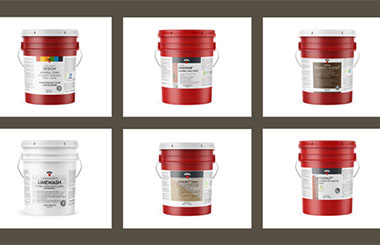
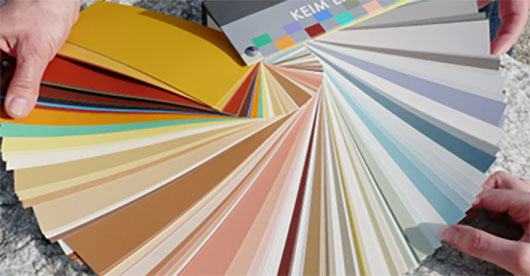
When it came to selecting the finishes, particularly for the prominent brickwork, the choice of Keim mineral paint was a deliberate one, driven by both aesthetic and performance criteria. Keim Restauro Lasur in a warm white was chosen for the “whitewash” covered brick. This decision wasn’t made lightly; various dilution ratios were rigorously tested and approved to meet the exacting standards of the Board of Architectural Review, ensuring the finishes were perfectly harmonious with the historic district’s aesthetic.
The benefits of using Keim mineral paints in a project like Williams Terrace are multifaceted:
- Historic Harmony and Timeless Aesthetic: Keim paints, based on mineral binders, can offer a unique matte, breathable finish that beautifully emulates traditional “whitewash” finishes. This allows the new construction to subtly blend with the patina of historic buildings, avoiding the stark, artificial look often associated with conventional paints. The “warm white” of Keim Restauro Lasur provides a classic, inviting hue that will age gracefully.
- Exceptional Durability and Longevity: Unlike film-forming paints that can peel, flake, or blister over time, Keim mineral paints penetrate and bond microscopically with the substrate. This creates an incredibly durable, silicate-based finish that becomes an integral part of the building material. This deep bond means the paint resists chalking, fading, and weathering, ensuring the building’s facade remains vibrant and well-protected for decades, even in Charleston’s challenging coastal climate with its humidity and salt air.
- Superior Breathability: In a high-humidity environment and a flood-prone zone, breathability is paramount. Keim paints are highly vapor-permeable, allowing moisture vapor to escape freely from the walls. This natural moisture management prevents moisture entrapment within the walls, which can lead to issues like mold, mildew, and deterioration of the building fabric. This contributes significantly to the building’s resilience and the health of its interior environment.
- Color Stability and UV Resistance: Keim mineral paints use inorganic, UV-stable pigments that are calcined at high temperatures. This means the colors are inherently resistant to fading and chalking, even under intense sun exposure. The “warm white” of Williams Terrace will maintain its intended hue without yellowing or dulling over time, preserving the architect’s vision for the long haul.
A Recognized Success Story
The success of Williams Terrace Senior Housing extends beyond its functional design and material performance. It has been widely recognized for its excellence, earning prestigious accolades such as the AIA/HUD Secretary’s Housing and Community Design Award for Excellence in Affordable Housing Design and an AIA Charleston Design Award. These honors underscore the project’s ability to not only provide much-needed housing but to do so with exceptional design quality, community integration, and a profound respect for its historical and environmental context.
Williams Terrace Senior Housing stands as a proud example of how high-quality materials like Keim mineral paints, combined with thoughtful, resilient architecture, can create spaces that are not just housing, but true homes designed to thrive for generations.
Check out these links for more info on Williams Terrace Senior Housing:
Williams Terrace – David Baker Architects
Williams Terrace – McMillan Pazdan Smith Architecture
Williams Terrace – World Architects
Williams Terrace Reference Project